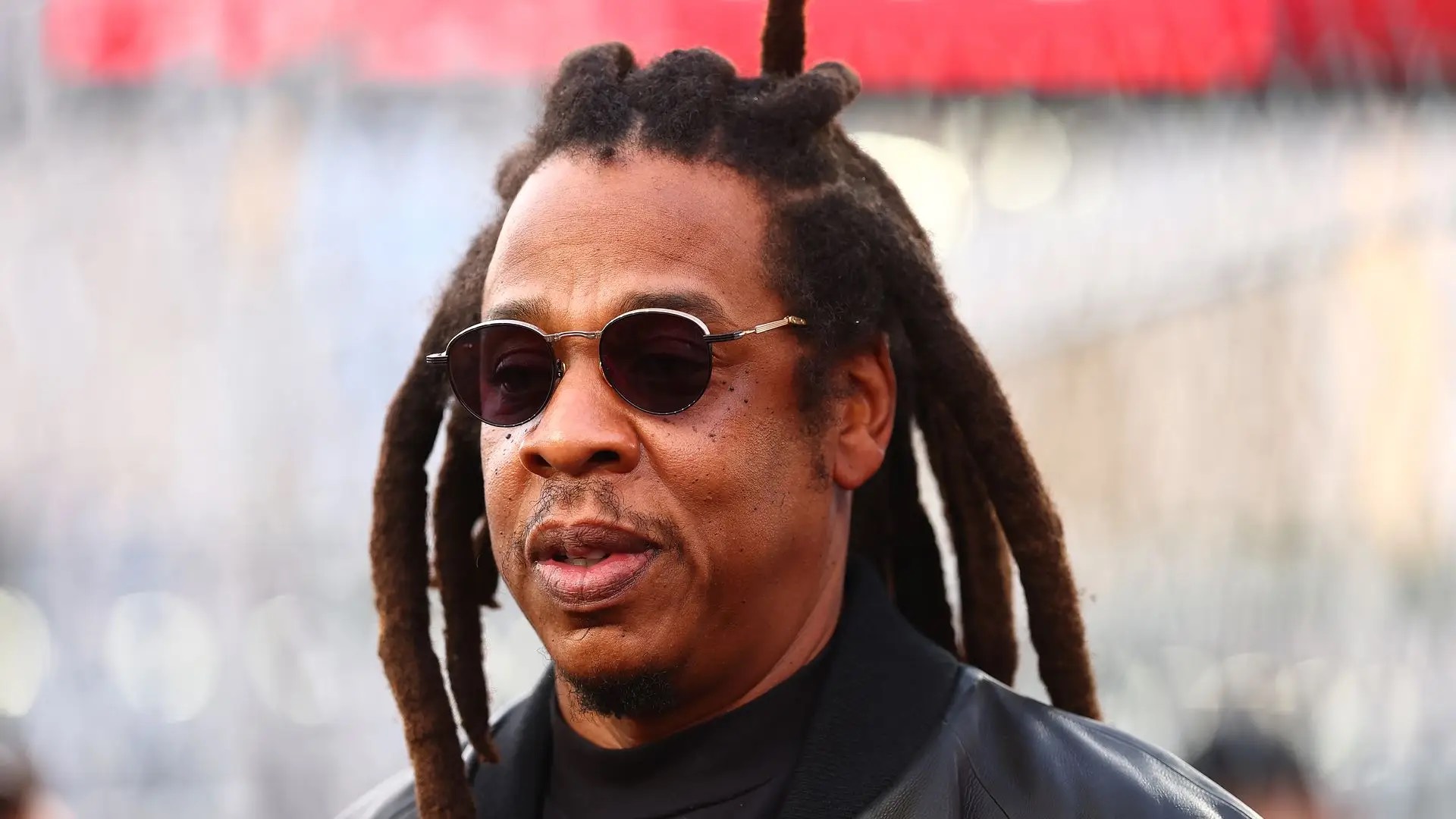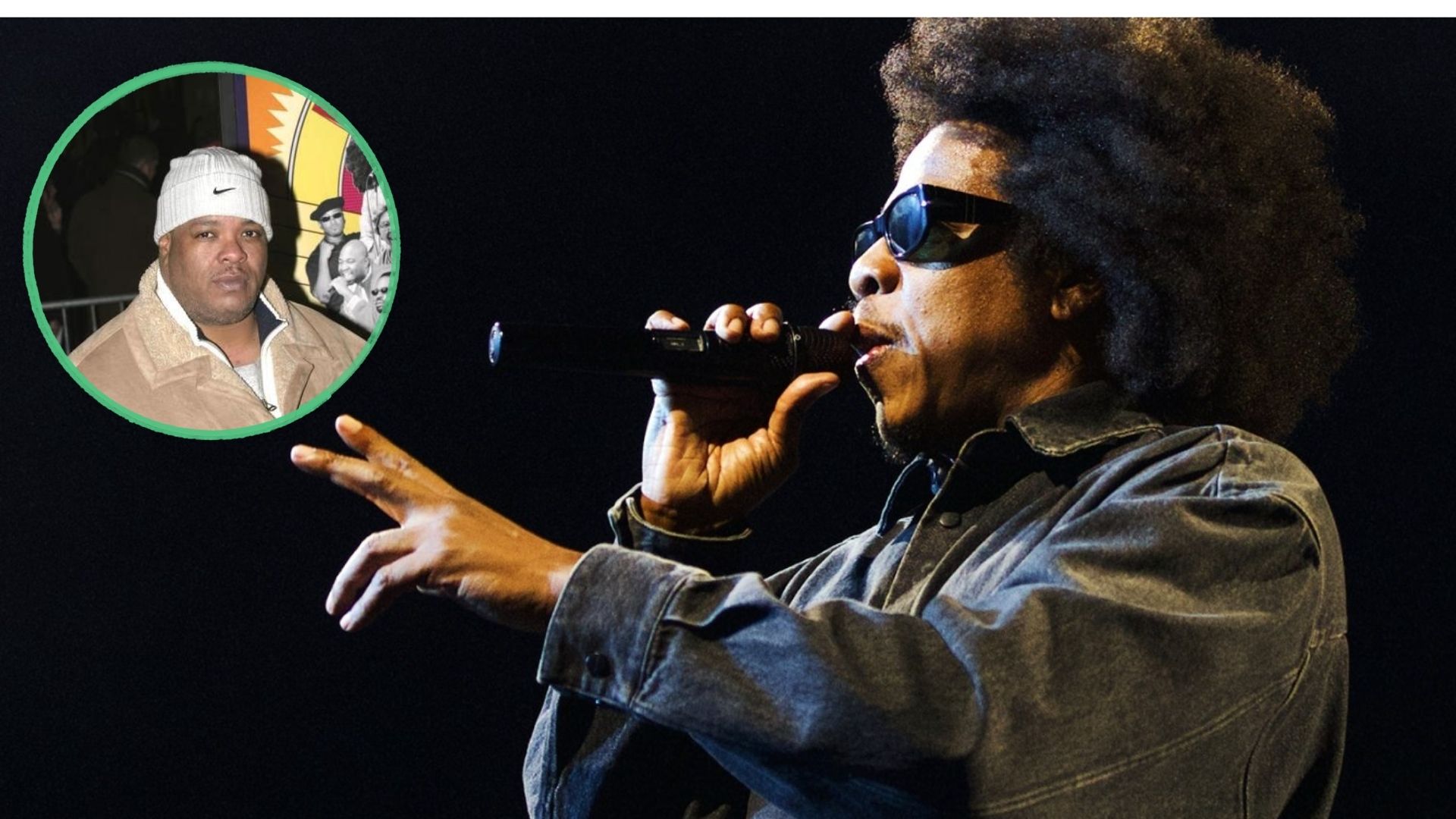

The hip-hop community has been buzzing following a recent performance by Jay-Z at the Roots Picnic. As part of his ongoing Jay-Z30 rollout, which celebrates the 30th anniversary of his seminal debut album, Reasonable Doubt, the mogul delivered a freestyle that touched upon various past conflicts. Among the notable mentions was a reference to Lance ‘Un’ Rivera, specifically regarding a well-documented stabbing incident from their shared history.
In a candid and vulnerable appearance on The Art Of Discussion podcast, Rivera chose to address the lyrical jab directly. Rather than engaging in a public feud, he presented an open letter that balanced a recognition of the rapper’s monumental success with a personal reflection on the lingering effects of their past encounter.
Reflecting on Trauma and Legacy
Rivera’s response was marked by a surprising degree of grace. He acknowledged the significant impact Jay-Z has had on the black community, praising the artist’s ability to navigate immense personal and professional challenges to reach the pinnacle of cultural and financial influence. Rivera expressed respect for the mogul’s journey toward self-improvement and his status as a titan of the industry.
However, the tone shifted as Rivera addressed the specific nature of the incident mentioned in the freestyle. He opened up about the lasting trauma he carries from the event, where he was outnumbered and stabbed. Rivera expressed concern regarding the way this painful chapter is utilized in public discourse, suggesting that marketing such incidents to project a “tough” persona can be insensitive to the reality of the victims involved.
Rivera acknowledged Jay-Z for speaking on traumas and healing, but emphasised that he is traumatised too.
Ultimately, the conversation served as a poignant reminder that behind the lyrics and the public personas of hip-hop icons, there are real human experiences and unresolved traumas. Rivera’s decision to speak out highlights the complexities of public figures reconciling their pasts while navigating the pressures of their current legacies.