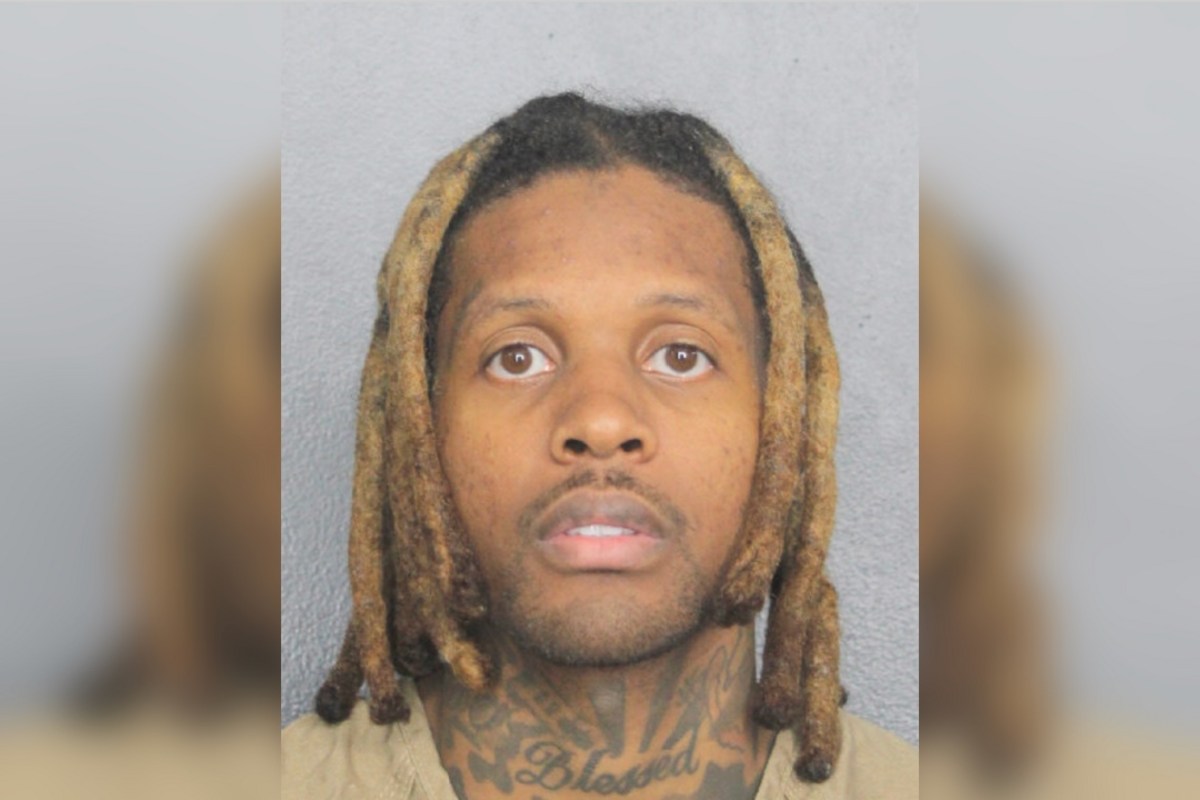

A federal judge has officially ruled that Lil Durk‘s music video for the track “Pissed Me Off” can be used as evidence in the rapper’s high-stakes murder-for-hire trial. The decision, handed down by U.S. District Judge Michael Fitzgerald on Thursday, August 13, marks a significant development in the legal proceedings against the Chicago artist.
The prosecution successfully argued that the 2021 track serves as critical evidence regarding the rapper’s state of mind and intent. According to reports, federal authorities contend that the song’s lyrics and accompanying visuals demonstrate that Lil Durk, born Durk Banks, was actively seeking retaliation following the death of his associate, King Von. In the video, the rapper is seen brandishing large sums of cash while delivering lyrics that suggest a willingness to fund violent acts, including references to purchasing firearms and vehicles for such purposes.
“Boy, no cap, I got killers that I love and they don’t rap,” the lyrics state. The prosecution maintains that these lines, combined with the visual presentation, provide a window into the defendant’s alleged involvement in the plot to target Quando Rondo. Investigators allege that the rapper orchestrated a murder-for-hire scheme against Rondo, whom he reportedly held responsible for the 2020 death of King Von. While the attempt on Rondo’s life was unsuccessful, it tragically resulted in the death of his cousin.
The legal team for the defense has maintained a plea of not guilty since the rapper’s arrest in October 2024. With the court’s latest ruling, the trial is set to move forward with jury selection scheduled to begin on August 20, followed by opening arguments on August 21. As the proceedings approach, the inclusion of this artistic material as evidence highlights the ongoing tension between creative expression and legal scrutiny in the hip-hop industry.