
In a bold statement that has sparked conversation across the music industry, Young Thug has declared that the traditional era of marketing is effectively over. The Atlanta-born visionary took to his X account on September 15, 2026, to share his perspective on the evolving landscape of entertainment, asserting that talent now holds the ultimate leverage in the digital age.
“Marketing is dead. That means talent now holds all the power,” Thugger wrote. He expanded on this sentiment by calling for a shift in mindset among creators, stating, “I want artists, athletes & creators thinking bigger than quick bags. I’m gonna help them turn their influence into real ventures. Ownership and IP. That’s PR5MAL.”
Empowering the Next Generation of Creators
While the rapper did not explicitly confirm if he is launching a new marketing firm, his track record as a label head suggests a deep commitment to artist development. Through his YSL Records imprint, he has been instrumental in launching the careers of notable acts such as Gunna and Tezzus & Diamond. His most recent signing, singer Yume, highlights his ongoing efforts to mentor emerging talent and provide them with the tools for long-term success.
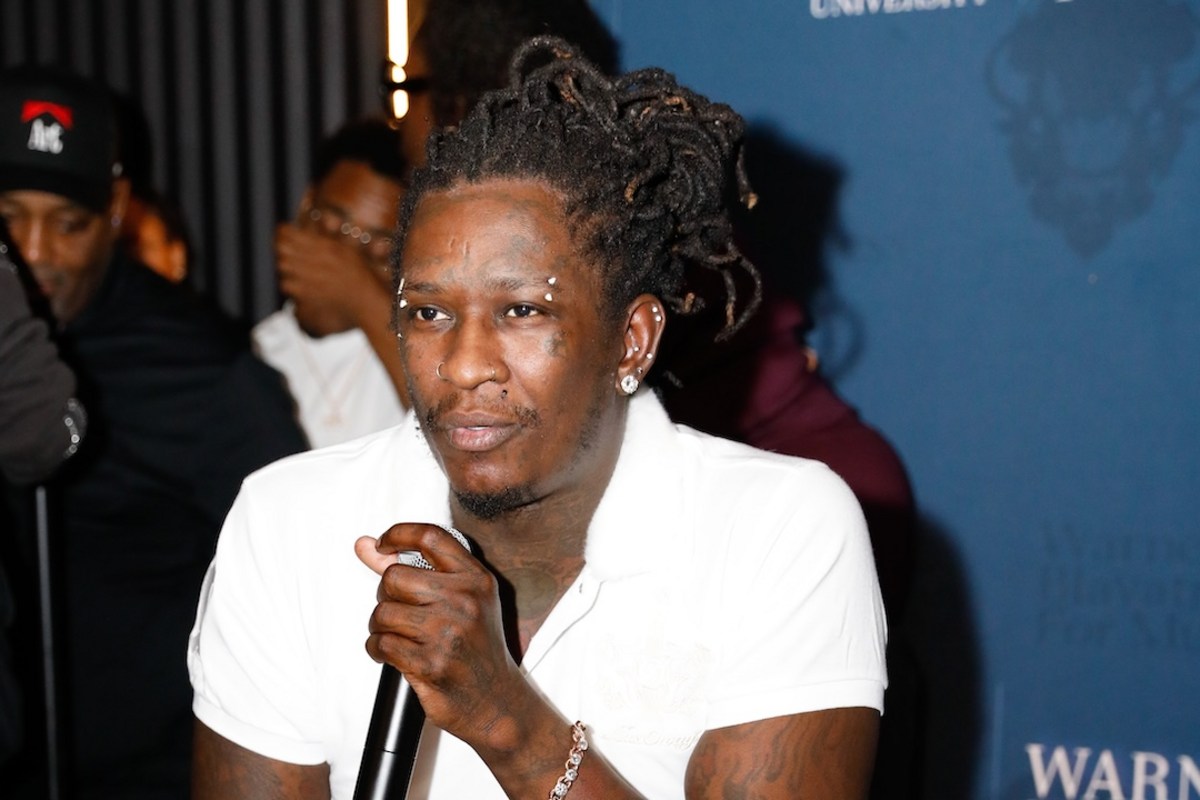
This philosophy of empowerment was further underscored during a recent fireside chat at Howard University. Addressing students in Washington, D.C., the Grammy-winning artist emphasized the necessity for rappers and athletes alike to transition from being mere workers to becoming owners. He encouraged the audience to look beyond immediate financial gains and focus on building sustainable legacies through intellectual property.
A Vision for Ownership
The conversation at Howard University served as a platform for Thug to discuss the broader state of hip-hop. By advocating for ownership, he is positioning himself as a mentor who prioritizes the long-term viability of artists’ careers over the fleeting nature of viral marketing trends. As he continues to navigate his own ventures, his message remains clear: the future of the industry lies in the hands of those who control their own creative assets.