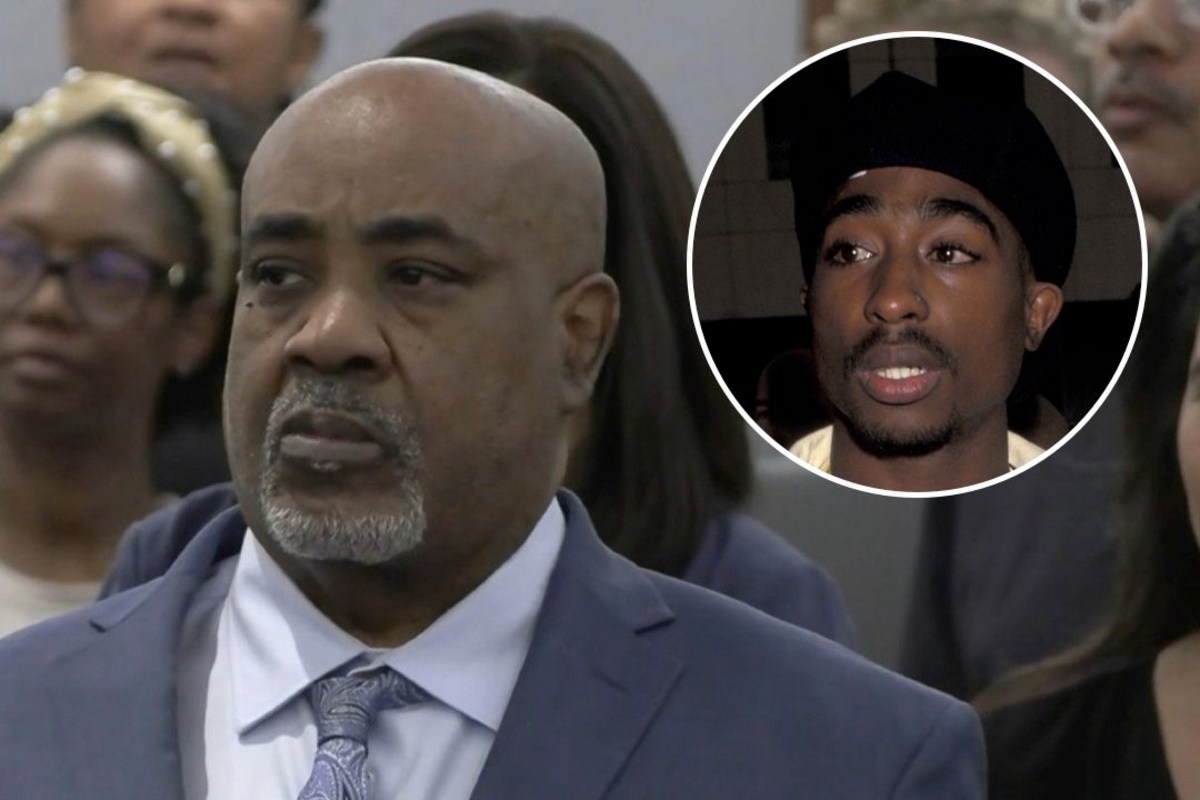

The Tupac Shakur murder trial has officially commenced, marking a pivotal moment in what remains hip-hop’s most significant unsolved case. On Monday, August 17, 2026, opening statements were delivered in a Las Vegas courtroom, setting the stage for a complex legal battle surrounding the 1996 killing of the legendary rapper.
During the proceedings, prosecutor Binu Palal outlined the state’s case against Duane “Keffe D” Davis. The prosecution intends to rely heavily on a series of interviews conducted by Davis over the years, in which he allegedly admitted to his involvement in the drive-by shooting near the Las Vegas Strip. Palal informed the jury that evidence would demonstrate how Davis was present at the scene and allegedly provided the firearm used to end the life of the iconic artist.
Defense Strategy: Challenging the Narrative
In a sharp rebuttal, defense attorney Michael Sanft adopted an aggressive stance, characterizing his client as a habitual liar who had no actual role in the murder. To emphasize this point, the defense presented a slide featuring the word “bullsh*t,” arguing that Davis’s past claims were merely performative. Sanft contended that for 27 years, authorities never charged Davis because they recognized his statements as fabrications.
“Keffe was known to do this,” Sanft stated, urging jurors to scrutinize the lack of concrete evidence placing his client at the scene of the crime.
Context of the Case
The prosecution maintains that the shooting was an act of retaliation following an altercation at the MGM Grand Casino earlier that evening, where Tupac Shakur and members of Death Row Records were involved in a confrontation with Orlando Anderson, Davis’s nephew. The trial, which is expected to span approximately six weeks, also featured testimony from eyewitness Ingrid Stokes and former police officer Garry Dale, who had pulled over the vehicle carrying the rapper and Suge Knight shortly before the fatal incident.
Now 63, Keffe D faces a single count of murder with a deadly weapon, with the prosecution alleging the act was intended to further the interests of a criminal gang. If convicted, he faces a potential life sentence. As the trial unfolds, the court will continue to weigh the credibility of Davis’s past admissions against the defense’s claims of innocence.